Those tiny hic… hic… hics are almost always harmless — but here’s exactly what’s happening inside your puppy, how to ease them, and the rare red flags that mean it’s time to see a vet.
Your puppy has hiccups because their diaphragm — the dome-shaped breathing muscle below the lungs — is contracting involuntarily, usually after gulping air while eating, drinking, or playing. In puppies this happens often because their bodies are still immature. Occasional hiccups are completely normal and harmless. They only warrant a vet visit if they last for hours or come with other symptoms.
Normal hiccups vs. “call the vet” hiccups
Before we get into the why, here’s the 10-second triage most owners actually need:
| ✓ Usually nothing to worry about | ! Time to call your vet |
| Last seconds to ~15 minutes | Last more than an hour, or recur all day |
| Happen after eating, drinking, or play | Come with wheezing or labored breathing |
| Puppy stays alert, relaxed, and playful | Paired with vomiting, coughing, or drooling |
| Stop on their own | Puppy seems tired, painful, or off their food |
| Occur now and then, not constantly | Persist daily for several days |
What this guide covers
- What hiccups actually are
- Why puppies hiccup so much
- Common causes
- After eating, at night, when excited
- Frenchies, Pugs & flat-faced breeds
- How long they last & when they stop
- How to stop puppy hiccups
- Preventing them (feeders & meals)
- Hiccups vs. other conditions
- When to see a vet
- FAQs
What’s actually happening when your puppy hiccups
A hiccup is a tiny mechanical hiccup in the breathing system. Your puppy’s diaphragm is a sheet of muscle that separates the chest from the abdomen and powers every breath. Normally it contracts smoothly. A hiccup is an involuntary contraction — a sudden, sharp diaphragm spasm that pulls a quick gulp of air into the lungs when your puppy wasn’t planning to breathe in.
That rush of air hits the glottis, the opening between the vocal cords at the top of the windpipe. The glottis snaps shut to stop the air — and that abrupt closure is what makes the unmistakable “hic!” sound. Repeat that a few times a minute and you have a full bout of hiccups. The medical name is singultus, and the mechanics are exactly the same in puppies, adult dogs, and humans.
Why do puppies get hiccups more than adult dogs?
If it feels like your puppy hiccups far more than any grown dog you’ve met, you’re right. Nearly every puppy hiccups, and they do it more often than adults for a few reasons:
- An immature, developing body. A young puppy’s diaphragm and the nerves that control it are still maturing, so the muscle spasms more easily and less predictably.
- An immature digestive system. Puppies eat enthusiastically and digest quickly, and a stomach that fills fast sits right against the diaphragm — easy to irritate.
- Big feelings. Puppies swing between zoomies and deep sleep in minutes. Bursts of excitement and stress both change breathing rhythm and can set off a spasm.
- A possible fetal reflex. One leading theory is that hiccups are a holdover from the womb. Puppies (and human babies) hiccup before birth, and researchers think these early diaphragm contractions may be a way of “test-driving” the breathing muscles before they’re needed. Newborns and very young puppies still show this reflex strongly.
The reassuring takeaway: more hiccups usually just means younger and still growing, not unwell.
The most common causes of puppy hiccups
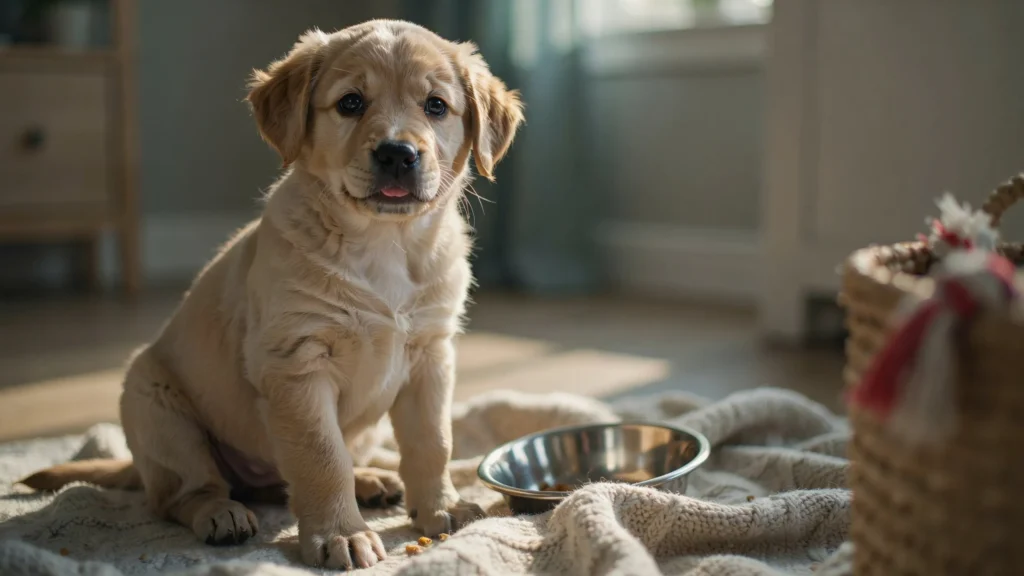
Scientists still can’t fully explain why mammals hiccup, but in puppies these everyday triggers are behind the vast majority of episodes:
- Swallowing air (aerophagia). This is the big one. When a puppy gulps air while eating too fast or drinking too quickly, the extra air distends the stomach and irritates the diaphragm.
- Excitement and play. Rapid, panting breaths during zoomies or greetings can tip the diaphragm into spasm.
- Stress or a sudden environment change. A new home, a car ride, or loud noises can alter breathing enough to trigger hiccups.
- Gas and an upset tummy. Trapped gas or mild stomach irritation pushes on the diaphragm from below.
- Temperature extremes. Food or water that’s very cold (or a chilly puppy) can occasionally bring on a bout.
Hiccups in specific situations
Puppy hiccups after eating
This is the classic scenario. A hungry puppy inhales their meal, swallows a mouthful of air with it, and the full, stretched stomach plus the swallowed air irritates the diaphragm. Hiccups that start within minutes of finishing a bowl are almost always simple aerophagia — and the easiest type to prevent (see the feeder tips below).
Puppy hiccups while sleeping
Hiccups that strike mid-nap or as your puppy drifts off look alarming but are very normal. During light sleep, breathing becomes slow and irregular, and that combined with immature diaphragm control can spark a gentle bout. Most sleep hiccups pass within a few minutes without even waking your puppy.
Puppy hiccups at night
Evening and nighttime hiccups often follow the day’s last big meal or a final play session before bed. They’re the same harmless mechanism as daytime hiccups. If they’re disrupting sleep, try feeding the last meal a little earlier and keeping pre-bed play calm.
Puppy hiccups when excited
You walk in the door, your puppy loses their mind with joy — and then starts hiccupping. Excitement triggers fast, shallow, gulping breaths that can set the diaphragm twitching. These bouts usually fade on their own as your puppy settles.
“Tired” hiccups
Overtired puppies, like overtired toddlers, can get dysregulated. A puppy who’s fought sleep through an exciting day may hiccup as they finally crash. A calm wind-down routine helps.
Newborn puppy hiccups
Very young and newborn puppies hiccup frequently, and this is a healthy sign of normal development. It ties back to that fetal reflex — the diaphragm rehearsing the motions of breathing. In nursing puppies, hiccups also follow gulping milk quickly. As long as the puppy is warm, feeding, and gaining weight, newborn hiccups are nothing to worry about.
Hiccups after a vaccination or vet visit
Hiccups right after the clinic are far more likely caused by the excitement, stress, and panting of the trip than by the vaccine itself, and they settle quickly. That said, stay alert for genuine vaccine-reaction signs — facial swelling, hives, repeated vomiting, weakness, or trouble breathing — and call your vet immediately if any of those appear.
Frenchies, Pugs & flat-faced breeds: extra hiccup-prone
If you have a French Bulldog, Pug, English Bulldog, Boston Terrier, or another brachycephalic (flat-faced) breed, you may notice more hiccups — and more snorting, snuffling sounds in general. Their shortened airways and crowded upper-respiratory anatomy make it easier to gulp air and harder to move it smoothly, so the diaphragm gets irritated more readily.
How long do puppy hiccups last — and when do they stop?
A typical bout lasts anywhere from a few seconds to about 10–15 minutes, then resolves on its own. Some puppies hiccup once a day; others hiccup several times a day during their first months. All of that is within the normal range.
As for the bigger picture: puppies generally hiccup most in their first few months and gradually grow out of frequent episodes as the diaphragm, nervous system, and digestive system mature — often by around 8 to 12 months of age. Adult dogs still hiccup occasionally, just far less often.
How to get rid of (and stop) puppy hiccups
Most puppy hiccups don’t need any intervention — they’ll stop before you finish reading this paragraph. But if you’d like to help a bout pass, these gentle, vet-friendly approaches can work:
- Help them relax. A calm cuddle or a slow belly or chest rub can ease the diaphragm and break the rhythm.
- Offer small sips of water. A little water can settle swallowing and reset breathing. Never force it.
- Change the breathing rhythm. A short, gentle walk or a little calm play shifts your puppy’s breathing pattern and often clears hiccups.
- Slow the next meal down. If hiccups always follow food, the real fix is at the bowl (next section).
Preventing puppy hiccups: feeders & meal tweaks
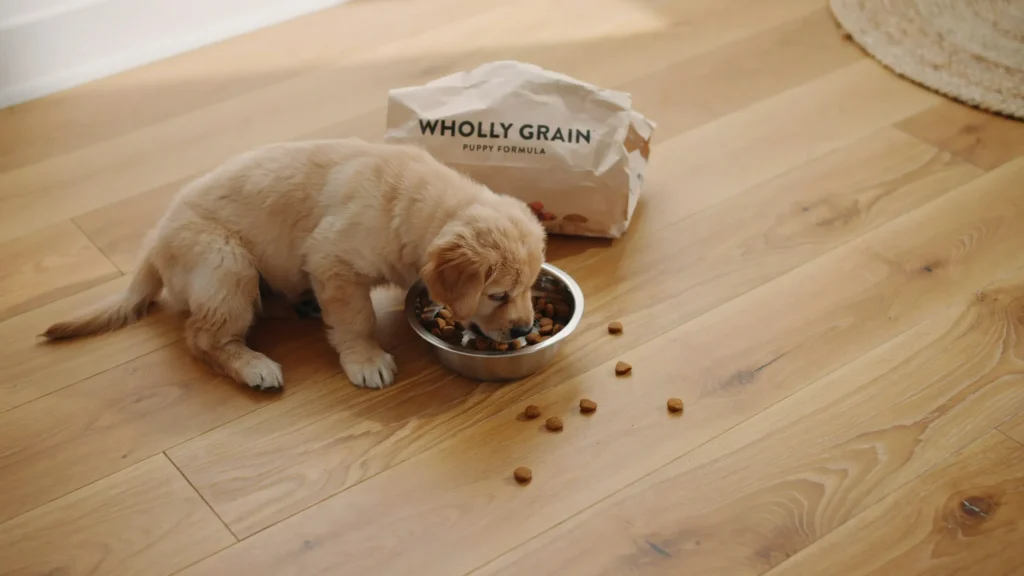
Since gulping air during fast meals is the number-one trigger, slowing your puppy down is the single most effective prevention. A few simple changes — and a few inexpensive bowls — go a long way:
Pair the right bowl with these habits:
- Smaller, more frequent meals. Three or four small meals a day keep the stomach from over-filling and pressing on the diaphragm.
- Calm mealtimes. Feed away from chaos so your puppy isn’t eating in a frenzy.
- Settle before and after. Avoid wild play immediately around meals.
- Room-temperature food and water. Skip very cold meals straight from the fridge.
Hiccups vs. other things they’re mistaken for
Hiccups are easy to confuse with several other noises and movements — some harmless, some serious. Use this quick comparison to tell them apart at a glance.
| Condition | What it looks / sounds like | Typical duration | Concern level |
| Hiccups | Rhythmic, gentle “hic”; small chest/belly jerk; puppy stays calm and alert | Seconds to ~15 min | Usually fine |
| Reverse sneezing | Rapid, snorting inward snorts through the nose; head extended; sudden start and stop | Seconds to a minute | Usually fine |
| Coughing | Forceful outward push of air, sometimes a honk or gag; may repeat in fits | Varies; can persist | Monitor / vet if ongoing |
| Regurgitation | Undigested food slides up effortlessly (no heaving); often soon after eating | Brief event | Vet if frequent |
| Seizure | Loss of awareness, collapse, stiffening or paddling limbs; can’t be roused | Often 1–3 min+ | Emergency |
| Choking | Distress, pawing at mouth, gagging, struggling to breathe, possible blue gums | Sudden, escalating | Emergency |
The key tells for ordinary hiccups: they’re rhythmic, your puppy stays relaxed and aware, and they stop on their own. Any loss of consciousness, real breathing struggle, or blue-tinged gums is an emergency — go straight to a vet.
When to worry: red flags & when to see a vet
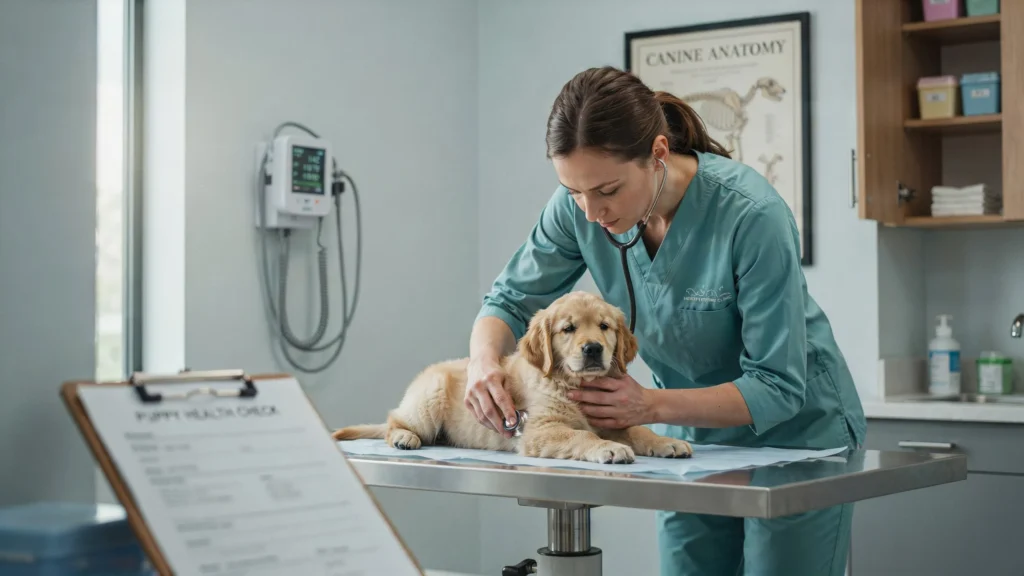
Hiccups themselves are rarely dangerous, but on occasion they accompany something that needs attention. Because the stomach and airways sit so close to the diaphragm, chronic or persistent hiccups can sometimes be an early hint of a gastrointestinal or respiratory problem.
!Contact a vet if hiccups come with:
- Breathing difficulty, wheezing, or noisy/labored breaths
- Coughing, gagging, or excessive drooling
- Vomiting or repeated regurgitation
- Lethargy, weakness, or seeming unwell
- Loss of appetite or refusing water
- Signs of pain, a bloated belly, or restlessness
- Hiccups lasting over an hour or recurring all day for several days
Possible underlying causes a vet may check for include a respiratory infection (such as kennel cough or pneumonia), an irritated or upset gastrointestinal tract, and intestinal parasites — worms are common in puppies and can cause tummy upset and gas that may show up alongside hiccups. None of these are diagnosed by hiccups alone, which is exactly why the company they keep matters more than the hiccups themselves.
Frequently asked questions
Are puppy hiccups normal?
Yes — occasional hiccups are completely normal and usually harmless. Puppies hiccup more than adult dogs because their bodies and digestive systems are still developing. They’re only a concern when they last for hours, happen many times a day, or come with symptoms like breathing trouble, vomiting, or lethargy.
How long do puppy hiccups last?
Most bouts last from a few seconds up to about 10–15 minutes and stop on their own. If a single episode runs longer than an hour, or hiccups keep returning throughout the day, check in with your vet.
When do puppy hiccups stop for good?
Puppies hiccup most in their first few months and usually grow out of frequent episodes as the diaphragm, nervous system, and gut mature — commonly by around 8–12 months. Adult dogs still hiccup occasionally, just much less often.
How do I get rid of my puppy’s hiccups?
Most resolve without help. You can encourage a bout to pass by helping your puppy relax, offering small sips of water, gently massaging the chest, or taking a short calm walk to change their breathing rhythm. Never restrain your puppy, cover their nose, or force water.
Why does my puppy get hiccups after eating?
Eating or drinking too fast makes a puppy swallow extra air (aerophagia). That air, plus a full stomach pressing on the diaphragm, triggers the spasms we hear as hiccups. A slow-feeder bowl and smaller, more frequent meals usually solve it.
Is it normal for my puppy to hiccup in their sleep?
Yes. Sleep and dozing-off hiccups are common and harmless, linked to relaxed, irregular breathing and immature diaphragm control. They normally pass within minutes without fully waking your puppy.
When should I worry about puppy hiccups?
See a vet if hiccups last over an hour, recur many times a day for several days, or come with red flags such as labored breathing, wheezing, coughing, drooling, vomiting, poor appetite, lethargy, or signs of pain — these can point to respiratory or gastrointestinal issues.
How do I tell hiccups apart from a seizure or reverse sneezing?
Hiccups are rhythmic, gentle “hic” contractions while your puppy stays alert and calm. Reverse sneezing is a rapid snorting inhale through the nose. A seizure involves loss of awareness, collapse, stiffening, or paddling. If your puppy can’t be roused, treat it as an emergency.