No, dogs should not eat sugar cane. Sugar cane is not toxic to dogs, but it is not safe or recommended. The tough, fibrous stalk is a serious choking and intestinal-blockage hazard, and the high sugar content offers no real nutritional benefit while raising the risk of obesity, dental problems, and digestive upset. A tiny lick of sugar cane juice is unlikely to harm a healthy dog, but the stalk itself should be kept away from pets.
Can Dogs Eat Sugar Cane?

No — dogs should not eat sugar cane. While sugar cane is not poisonous, veterinarians generally advise against it for two main reasons: the physical hazard of the fibrous stalk and the high sugar load.
The stalk of sugar cane is dense and stringy. Dogs that gulp food without chewing can choke on broken pieces, and swallowed chunks can lodge in the digestive tract and cause an obstruction — a medical emergency that may require surgery. On top of that, sugar cane is packed with natural sucrose, which can trigger stomach upset, contribute to weight gain, and damage teeth over time. Raw cane may also carry pesticide residue if it isn’t washed or sourced carefully.
If your dog grabbed a small piece, watch for gagging, drooling, vomiting, diarrhea, or signs of abdominal discomfort, and call your vet if any of these appear or if a large piece was swallowed.
Can Dogs Eat Sugar?
Yes, a dog can eat plain sugar in tiny amounts without being poisoned — but it should never be a regular part of their diet. Sugar isn’t toxic the way chocolate or xylitol is, so a small accidental lick won’t cause an emergency in a healthy dog.
However, dogs gain nothing nutritionally from sugar, and over time it leads to the same problems it causes in people: obesity, tooth decay, blood-sugar swings, and an increased risk of diabetes. A sudden large amount can also cause vomiting and diarrhea. The simple rule: dogs don’t need added sugar, so keep it out of their diet whenever possible.
Can Dogs Eat Brown Sugar?
Yes — brown sugar is safe in very small, occasional amounts, but it is not good for dogs. Brown sugar is just white sugar with molasses added, so it carries all the same downsides: empty calories, dental risk, and digestive upset if eaten in quantity.
A dog who licks up a little spilled brown sugar will almost certainly be fine. The concern is repeated exposure or large amounts, which contribute to weight gain and other long-term health issues. There’s no benefit to feeding it on purpose.
Can Dogs Eat Cane Sugar?
Yes, cane sugar is not toxic to dogs, but the same warnings apply. Cane sugar is simply refined sugar derived from sugar cane. In small amounts it won’t immediately harm your dog, but routine consumption can lead to obesity, dental disease, and potentially diabetes. Keep sugary foods to a rare, minimal treat at most.
Can Dogs Eat Coconut Sugar?
Yes, coconut sugar is not poisonous to dogs, but it is still sugar. Despite its “natural” marketing, coconut sugar affects a dog’s body much like regular sugar — extra calories with no meaningful nutritional value. It can cause stomach upset in larger amounts and contributes to the same long-term risks. There’s no health reason to give it to your dog.
Can Dogs Eat Powdered Sugar?
Yes, powdered sugar is non-toxic, but it should be avoided. Powdered (confectioners’) sugar is finely ground sugar, sometimes mixed with a little cornstarch. A small taste won’t hurt a healthy dog, but it’s often found on or inside baked goods that contain far more dangerous ingredients — like chocolate, raisins, or xylitol — so the bigger risk is usually what the powdered sugar is on, not the sugar itself.
Can Dogs Eat Cinnamon Sugar?
In small amounts, cinnamon sugar is unlikely to harm your dog, but it’s best avoided. Cinnamon itself is not toxic to dogs in tiny quantities, but larger amounts can irritate the mouth and digestive system and, in powder form, may cause coughing or breathing trouble if inhaled. Combined with the sugar, cinnamon sugar offers no benefit. Skip it as an added flavoring.
Can Dogs Eat Stevia Sugar?
Yes — pure stevia is generally considered safe (non-toxic) for dogs, unlike many other sweeteners. Stevia is a plant-based, no-calorie sweetener that does not cause the dangerous insulin spike that xylitol does. In large amounts it may cause mild digestive upset such as diarrhea.
The critical caveat: many products labeled “stevia” or “sugar-free” are actually blends that may also contain xylitol, which is highly toxic to dogs. Always read the full ingredient list before assuming a “stevia” product is safe.
The Big Warning: Sugar-Free Foods, Jello, and Xylitol
This is the most important section for any dog owner. “Sugar-free” does not mean “safe for dogs” — in many cases it means the opposite.
Can Dogs Eat Sugar-Free Jello?
No. Avoid all sugar-free jello and sugar-free gelatin desserts unless you have confirmed they contain no xylitol. Many sugar-free products are sweetened with xylitol, which is extremely toxic to dogs even in small amounts. Xylitol causes a rapid insulin release that can lead to dangerously low blood sugar (hypoglycemia), seizures, liver failure, and death. Xylitol may also be listed as “birch sugar” or “wood sugar.”
Can Dogs Eat Jello Without Sugar?
Only if it is xylitol-free — and even then it’s not recommended. Plain gelatin (unflavored, unsweetened) is generally safe and even used in some dog supplements. But commercial “no sugar” jello often contains artificial sweeteners, flavors, and dyes that add no value and may upset your dog’s stomach. The single non-negotiable rule is: no xylitol.
Can Dogs Eat Jello With Sugar?
A tiny amount of regular sugar-sweetened jello is unlikely to poison a dog, but it’s still a poor choice — it’s sugary, artificially flavored, and offers no nutrition. The artificial dyes and flavorings can also trigger digestive upset.
Emergency note: If you suspect your dog ate anything containing xylitol, treat it as a medical emergency. Contact your veterinarian or an animal poison control center immediately — do not wait for symptoms.
Which Sweeteners Are Dangerous vs. Generally Safe?
| Sweetener | Safe for dogs? | Notes |
|---|---|---|
| Xylitol (birch/wood sugar) | ❌ Highly toxic | Even small amounts can be fatal — emergency |
| Regular sugar / cane sugar | ⚠️ Not toxic, not healthy | Small amounts okay; avoid routinely |
| Brown sugar | ⚠️ Not toxic, not healthy | Same risks as regular sugar |
| Coconut sugar | ⚠️ Not toxic, not healthy | Still just sugar |
| Powdered sugar | ⚠️ Not toxic, not healthy | Watch what it’s served on |
| Stevia | ✅ Generally safe | GI upset possible in large amounts; check for hidden xylitol |
| Erythritol | ✅ Generally safe | Large amounts may cause GI upset |
| Monk fruit | ✅ Generally safe | No known toxicity |
| Sucralose, aspartame, saccharin | ✅ No known toxicity | May cause GI upset; not beneficial |
Can Dogs Eat Sugar Cookies?
No, sugar cookies are not a good treat for dogs and should be avoided. Sugar cookies are high in sugar and fat (butter), which can cause stomach upset, weight gain, and pancreatitis risk. More importantly, baked goods may hide ingredients that are genuinely toxic to dogs — especially chocolate, raisins, macadamia nuts, and xylitol. A single plain sugar cookie likely won’t poison a healthy dog, but there’s no safe nutritional reason to share one. Choose a dog-specific treat instead.
Can Dogs Eat Oatmeal With Brown Sugar?
Plain, cooked oatmeal is safe and even healthy for dogs in moderation — but the brown sugar is the problem. Oatmeal on its own provides fiber and can be a gentle food for some dogs. Adding brown sugar turns a healthy food into a sugary one, contributing empty calories and dental risk.
If you want to share oatmeal, serve it plain, cooked, and unsweetened, with no brown sugar, no added milk, and no flavorings or sweeteners (especially nothing labeled “sugar-free,” which may contain xylitol).
Can Dogs Eat Sugar Snap Peas?

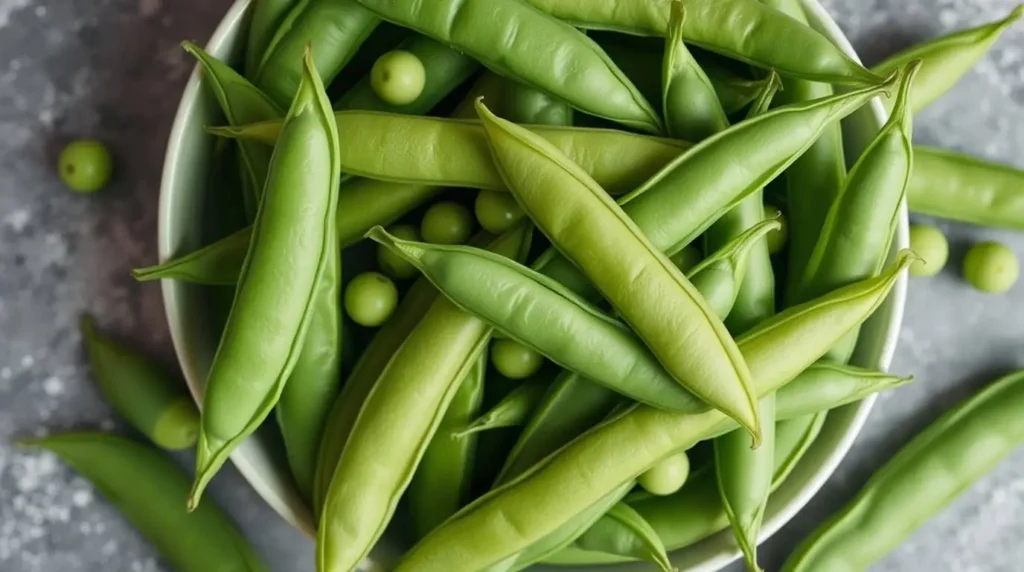
Yes — and this is the one “sugar” food that’s actually good for them! Don’t let the name fool you: sugar snap peas are a healthy, low-calorie vegetable, not a sugary treat.
Can Dogs Eat Sugar Snap Peas Raw?
Yes. Dogs can eat sugar snap peas raw or cooked. They’re a crunchy, hydrating snack rich in fiber, vitamins (A, C, K), and minerals. To serve them safely:
- Wash them first
- Serve them plain — no butter, salt, oil, garlic, or onion
- Cut them into smaller pieces for small dogs or fast eaters to reduce choking risk
- Feed in moderation, as too many can cause gas or an upset stomach
Sugar snap peas (and plain sugar peas / snap peas) make a far better treat than anything on the rest of this list.
How Much Sugar Is Safe for a Dog?
The veterinary guideline is the 10% rule: treats of any kind — including anything sugary — should make up no more than 10% of your dog’s daily calories. The remaining 90% should come from a complete, balanced dog food. Ideally, added sugar should be close to zero, since dogs get all the carbohydrates they need from their regular diet.
Dogs that are overweight, diabetic, or have dental disease should avoid added sugar entirely.
Signs Your Dog Ate Something They Shouldn’t
Contact your veterinarian if, after eating sugar cane, sugary food, or any sugar-free product, your dog shows:
- Vomiting or diarrhea
- Gagging, drooling, or repeated swallowing (possible choking or obstruction)
- Lethargy, weakness, or trouble walking
- Loss of coordination, shaking, or seizures
- Loss of appetite or a bloated, painful belly
Weakness, staggering, or seizures after a sugar-free product is a xylitol emergency — go to a vet immediately.
Healthier Treat Alternatives to Sugar
Instead of sugar cane or sugary snacks, offer your dog:
- Sugar snap peas (raw or plain cooked)
- Carrot sticks or cucumber slices
- Blueberries, apple slices (no seeds/core), or watermelon (no rind/seeds)
- Plain cooked pumpkin
- Commercial treats made specifically for dogs
These deliver real vitamins, fiber, and hydration without the empty sugar.
Frequently Asked Questions
Can a dog eat sugar cane? A dog can technically eat a small piece without being poisoned, but it isn’t recommended. The fibrous stalk is a choking and blockage hazard and the high sugar content is unhealthy. It’s safest to keep sugar cane away from dogs.
Is sugar cane toxic to dogs? No, sugar cane is not toxic to dogs. The main dangers are physical (choking or intestinal obstruction from the tough stalk) and the long-term effects of too much sugar, not poisoning.
Can dogs drink sugar cane juice? A small lick is unlikely to harm a healthy dog, but sugar cane juice is very high in sugar and offers no benefit. It’s best avoided, especially for overweight or diabetic dogs.
Can a dog eat sugar? Yes, in tiny amounts sugar won’t poison a dog, but it provides no nutrition and contributes to obesity, dental problems, and diabetes over time. Avoid it whenever possible.
Can dogs eat brown sugar or coconut sugar? Both are non-toxic but unhealthy. They are simply forms of sugar and carry the same risks. Don’t feed them on purpose.
Why is sugar-free worse than sugar for dogs? Because many sugar-free products contain xylitol, which is extremely toxic to dogs even in small amounts and can be fatal. Regular sugar is unhealthy but not acutely poisonous; xylitol is a medical emergency.
Are sugar snap peas safe for dogs? Yes. Sugar snap peas are a healthy, low-calorie vegetable that dogs can eat raw or cooked, served plain and in moderation.
What should I do if my dog ate sugar cane? Monitor for choking, vomiting, diarrhea, or abdominal discomfort. If a large piece was swallowed or your dog shows any distress, contact your veterinarian promptly.