Quick answer: Yes, dogs can safely eat fresh strawberries in moderation. Strawberries are non-toxic to dogs and are low in calories while being high in fiber, vitamin C, and antioxidants. Because they contain natural sugar, strawberries should be given as an occasional treat — no more than 10% of your dog’s daily calories — and always washed, de-stemmed, and cut into bite-sized pieces. Avoid canned strawberries, strawberries in syrup, and anything containing the sweetener xylitol, which is toxic to dogs.
Are Strawberries Safe for Dogs?
Strawberries are one of the safest fruits you can share with your dog. They are non-toxic, fat-free, and naturally low in calories, which makes them a smart alternative to processed treats. The catch is moderation: strawberries contain natural sugar, so they belong in the “occasional treat” category rather than the daily diet.
A useful rule that veterinarians repeat is the 10% rule — treats of any kind, strawberries included, should make up no more than 10% of your dog’s total daily calorie intake. The other 90% should come from a complete and balanced dog food. This single guideline prevents most of the problems associated with feeding fruit to dogs, including weight gain and digestive upset.
Not every dog will even want them. Some dogs love the sweet, juicy texture; others sniff a strawberry and walk away. Both reactions are completely normal.
How Many Strawberries Can a Dog Eat? (Serving Chart by Size)
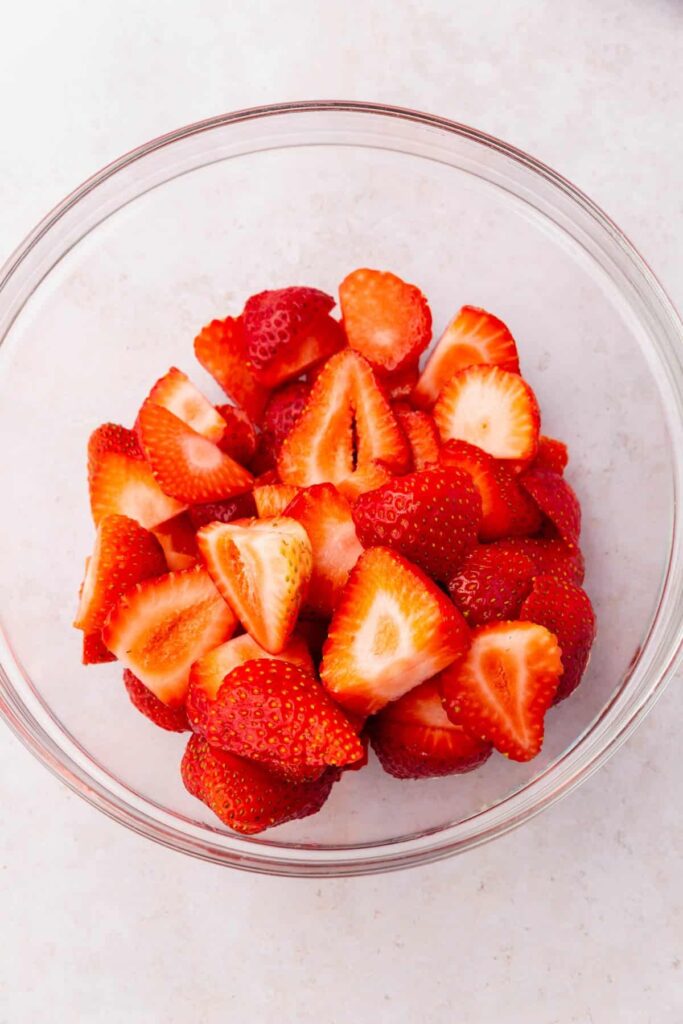
Portion size depends entirely on your dog’s weight. Strawberries are roughly 91% water, so they are forgiving, but more is not better. Use the chart below as a safe starting point, and always begin with less than the maximum the first few times.
| Dog size | Approx. weight | Safe serving (occasional treat) |
|---|---|---|
| Extra small (Chihuahua, Yorkie) | Under 10 lbs | ¼ to ½ of one strawberry, mashed |
| Small (Pug, Beagle) | 10–25 lbs | 1 small strawberry, cut up |
| Medium (Border Collie, Bulldog) | 25–50 lbs | 1–2 strawberries, cut up |
| Large (Labrador, Golden Retriever) | 50–90 lbs | 2–3 strawberries |
| Extra large (Great Dane, Mastiff) | Over 90 lbs | 3–4 strawberries |
These amounts are per serving, not per hour, and strawberries should not be offered every single day. If your dog is diabetic, overweight, or has a sensitive stomach, talk to your veterinarian before adding any fruit.
Health Benefits of Strawberries for Dogs
When fed correctly, strawberries do more than taste good. Their nutritional profile genuinely supports canine health in several ways.
Vitamin C. Strawberries are an excellent source of vitamin C, an antioxidant that supports the immune system and helps the body cope with oxidative stress. Dogs produce some vitamin C on their own, but a dietary boost can be helpful, especially for aging or stressed dogs.
Fiber. The fiber in strawberries supports healthy digestion and can help dogs feel full, which is useful for weight management. Because strawberries are low in calories, they let you reward your dog without overloading them.
Antioxidants. Beyond vitamin C, strawberries contain plant compounds and antioxidants that help protect cells from free-radical damage. Over time, an antioxidant-rich diet is associated with a stronger immune system and may play a role in slowing some signs of aging.
Malic acid. Strawberries naturally contain malic acid, an enzyme that can help whiten teeth. It is not a substitute for brushing or professional dental care, but it is a pleasant side benefit.
High water content. At roughly 91% water, strawberries are hydrating, which makes frozen pieces a refreshing snack on hot days.
How to Safely Prepare Strawberries for Your Dog
The way you serve a strawberry matters as much as the amount. Follow these steps every time.
- Wash them thoroughly. Rinse strawberries under running water to remove dirt and pesticide residue, even if they are labeled organic.
- Remove the stems and leaves. The green tops are not toxic, but they are bitter and can cause mild stomach upset, so cut them off.
- Cut into bite-sized pieces. Whole strawberries are a choking hazard, particularly for small breeds. Slice them down, and for very small dogs, mash or puree the fruit instead.
- Start small. The first time, offer a tiny amount and wait 24 hours to confirm your dog tolerates it well before giving more.
Frozen strawberry pieces make an excellent low-calorie summer treat, and a small amount of pureed strawberry can be stirred into your dog’s regular food or frozen into a stuffed chew toy.
What to Avoid: Strawberry Risks for Dogs
Fresh, plain strawberries are safe — but several common strawberry products are not. Keep these away from your dog.
- Canned strawberries and strawberries in syrup. These are loaded with added sugar and preservatives that can upset the stomach and contribute to weight gain.
- Anything with xylitol. This artificial sweetener appears in some sugar-free and processed foods and is highly toxic to dogs, even in small amounts. Always check labels.
- Chocolate-covered strawberries. Chocolate is poisonous to dogs. Never share this dessert.
- Whole berries for small dogs. Always slice or mash to prevent choking.
- Stems and leaves in large quantities. Bitter and potentially irritating to the digestive tract.
Signs of a problem
Because each dog is different, watch for warning signs whenever you introduce strawberries, especially the first time. Contact your veterinarian if you notice:
- Vomiting or diarrhea
- Excessive scratching, swelling, or other signs of an allergic reaction (rare but possible)
- A sudden increase in thirst
- Lethargy or any unusual behavior
Too many strawberries at once is the most common cause of loose stools, so stick to the serving chart above.
Can Puppies Eat Strawberries?
Puppies can eat small amounts of strawberry once they are eating solid food, but their digestive systems are more sensitive than an adult dog’s. Offer only a tiny, well-mashed piece, introduce it well after they are settled on their regular puppy food, and check with your veterinarian first. Because puppies need carefully balanced nutrition for growth, treats should make up an even smaller share of their diet.
Other Fruits Dogs Can Eat
If your dog enjoys strawberries, these fruits are also safe in moderation, prepared properly:
- Blueberries — antioxidant-rich and perfectly sized for training treats
- Watermelon — hydrating, but remove the seeds and rind
- Apples — remove the core and seeds
- Bananas — high in potassium; serve in small amounts due to sugar
- Raspberries and blackberries — safe in small quantities
- Cantaloupe — sweet and hydrating, remove the rind
Avoid grapes and raisins, which are toxic to dogs, as well as cherries, and any fruit pits or large seeds.
Frequently Asked Questions
Can dogs eat strawberries every day? It is best not to. Strawberries should be an occasional treat kept within the 10% daily calorie rule. Daily fruit can add up to too much natural sugar, especially for small or less active dogs.
Can dogs eat frozen strawberries? Yes. Plain frozen strawberries (with no added sugar or syrup) are a safe, refreshing treat. Cut them into appropriate sizes first to avoid choking.
Are strawberry stems and leaves bad for dogs? They are not toxic, but they are bitter and can cause mild stomach upset. Remove them before serving.
Can dogs be allergic to strawberries? Allergies are rare but possible. Introduce strawberries in a small amount and watch for itching, swelling, or digestive changes. Stop feeding them and call your vet if symptoms appear.
Can diabetic or overweight dogs eat strawberries? Only with veterinary guidance. Strawberries contain natural sugar, so dogs with diabetes, obesity, or a sensitive stomach should be cleared by a vet before eating them.
Can dogs eat strawberry yogurt or strawberry ice cream? Avoid these. They typically contain added sugar, dairy that many dogs struggle to digest, and sometimes xylitol. Stick to plain, fresh strawberries.
This article is for general informational purposes only and is not a substitute for professional veterinary advice. Always consult your veterinarian before introducing new foods, particularly if your dog has an existing health condition.