Most dog diarrhea is caused by a sudden diet change, eating something they shouldn’t (garbage, table scraps, or a foreign object), stress, or intestinal parasites. These mild cases often clear up in a day or two. But diarrhea can also signal infections, food allergies, or a serious illness — so if it lasts more than 48 hours or comes with vomiting, blood, or weakness, call your vet.
If you’ve just cleaned up a runny mess and you’re wondering whether to worry, you’re in the right place. Below, we’ll walk through the most common reasons dogs get diarrhea, how to tell a minor upset from an emergency, and the simple steps you can take at home.
What Is Dog Diarrhea, Exactly?
Diarrhea is loose, watery, or unusually frequent stool. It isn’t a disease on its own — it’s a symptom. Think of it as your dog’s digestive system telling you something is off, whether that’s a snack that didn’t agree with them or a deeper health issue.
Vets usually sort it into two buckets:
- Acute diarrhea comes on suddenly and usually passes within a couple of days. This is the most common kind.
- Chronic diarrhea lasts longer than two to three weeks or keeps coming back. This type almost always points to an underlying condition that needs a vet’s attention.
Why Does My Dog Have Diarrhea? The 8 Most Common Causes
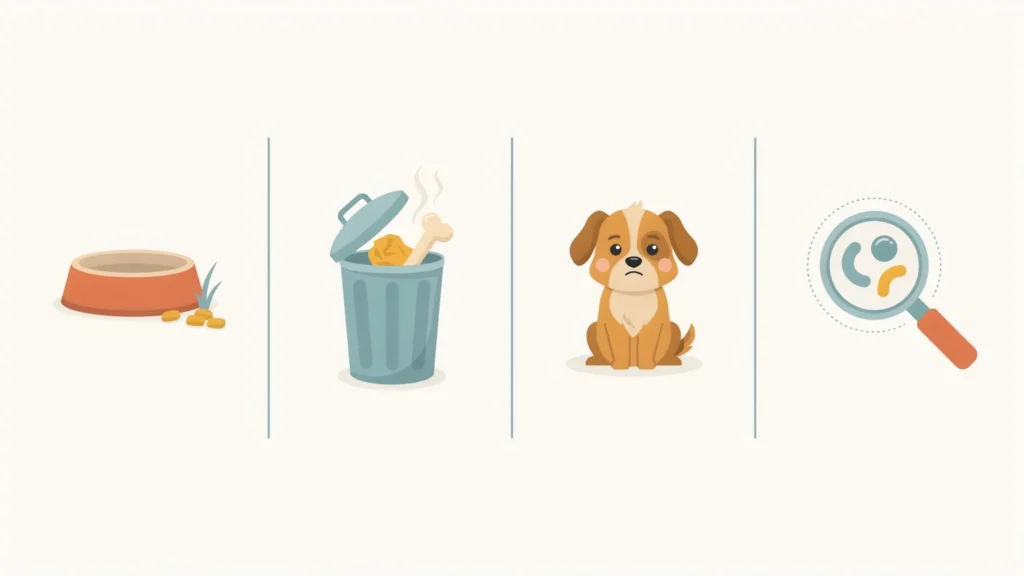
Here are the reasons vets see most often, starting with the everyday ones.
1. A Sudden Change in Diet
Switching your dog’s food too quickly is one of the top causes of loose stool. A dog’s gut needs time to adjust to new ingredients. Even upgrading to a “better” food can trigger diarrhea if you do it overnight. The fix is to transition gradually over five to seven days.
2. Eating Something They Shouldn’t
Dogs explore the world with their mouths. Table scraps, spoiled food from the trash, a stolen greasy snack, or even grass can all upset the stomach. This is often called “garbage gut,” and it’s exactly what it sounds like.
3. Stress or Anxiety
Just like people, dogs can get an upset stomach from stress. Boarding, travel, a new pet, loud noises, or a change in routine can all lead to a short bout of diarrhea that resolves once your dog settles.
4. Intestinal Parasites
Worms and other parasites — including roundworms, hookworms, whipworms, giardia, and coccidia — are a frequent cause, especially in puppies. These often need a fecal test and specific medication to clear up.
5. Bacterial or Viral Infections
Infections like salmonella, parvovirus, and distemper can cause diarrhea. Parvovirus in particular is extremely serious, highly contagious, and life-threatening, especially in unvaccinated puppies. These cases need urgent veterinary care.
6. Food Allergies or Sensitivities
Some dogs react poorly to certain proteins (like chicken or beef) or other ingredients. Diarrhea from a food sensitivity often comes and goes and may be paired with itchy skin or ear problems.
7. Medication Side Effects
Some medications, especially antibiotics and certain anti-inflammatory drugs, can disrupt the gut and cause loose stool. If diarrhea starts after a new prescription, mention it to your vet.
8. Underlying Health Conditions
Ongoing or recurring diarrhea can be a sign of a bigger issue, such as:
- Pancreatitis
- Inflammatory bowel disease (IBD)
- Liver or kidney disease
- Addison’s disease
- Exocrine pancreatic insufficiency (EPI)
- Intestinal cancer
These conditions usually cause chronic diarrhea and require diagnosis and management from a vet.
How Do I Know If My Dog’s Diarrhea Is Serious?
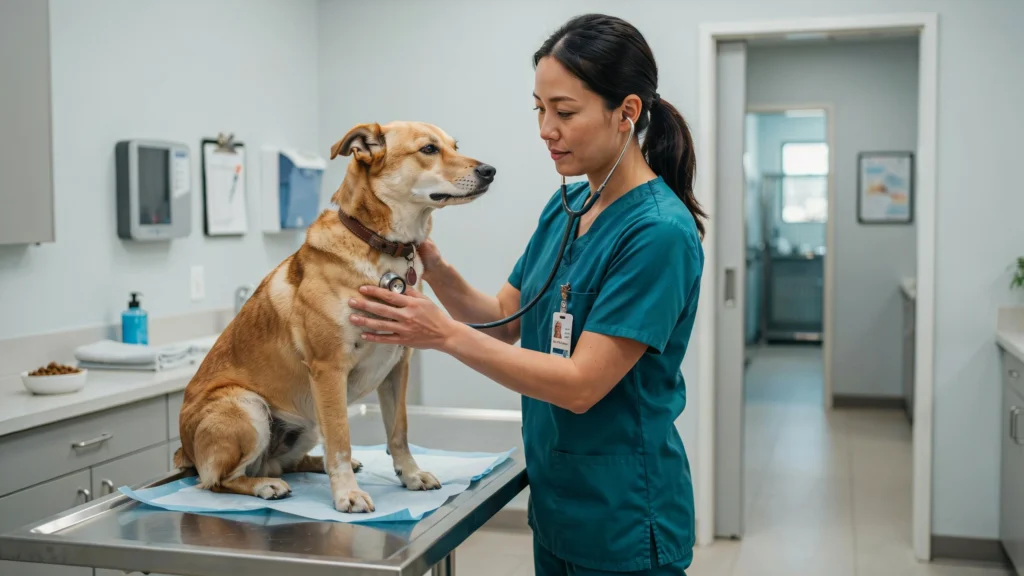
A single loose stool in an otherwise happy, energetic dog usually isn’t cause for alarm — just keep an eye on things. But you should contact your vet right away if you notice any of these warning signs:
- Diarrhea lasting longer than 24 to 48 hours
- Vomiting along with the diarrhea
- Blood in the stool — if your dog is pooping blood (bright red streaks, or black and tarry stool), call your vet
- Weakness, lethargy, shaking, or collapsing
- Refusal to eat or drink
- Signs of dehydration — dry or sticky gums, sunken eyes, or skin that doesn’t spring back when gently pinched
- Straining to poop while only passing small amounts of watery stool (this can mean a blockage)
Extra caution is needed for puppies, senior dogs, and dogs with existing health problems, since they can go downhill quickly. For these dogs, don’t wait — call your vet at the first sign of trouble.
What Can I Give My Dog for Diarrhea at Home?
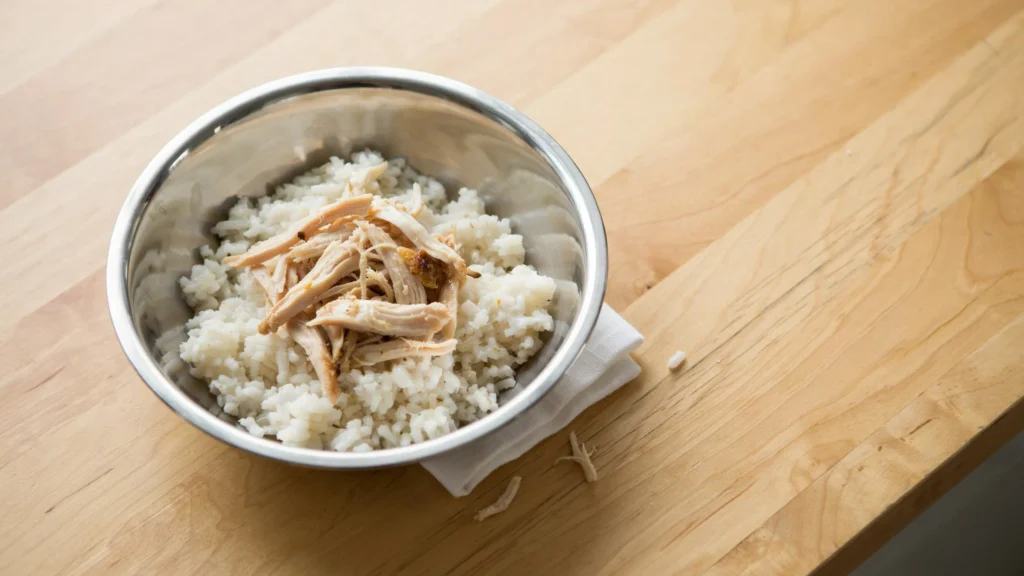
If your adult dog is acting normal otherwise — alert, drinking water, and not vomiting — you can often help them recover at home with a few simple steps.
1. Consider a short fast. For a healthy adult dog, withholding food for up to 12 hours can let the gut rest. Do not fast puppies, very small breeds, seniors, or dogs with chronic conditions. When in doubt, call your vet first.
2. Switch to a bland diet. Once your dog is ready to eat, offer plain, easy-to-digest food for a day or two. A classic option is boiled, skinless chicken with plain white rice (about a 1:2 ratio of chicken to rice), with no salt, oil, or seasoning. Lean ground turkey or beef works too.
3. Keep them hydrated. Diarrhea drains fluids fast. Always provide fresh, clean water, and offer it in small amounts often.
4. Reintroduce regular food slowly. Over five to seven days, gradually mix more of their normal food back in so you don’t trigger another upset.
Important: Never give your dog human anti-diarrhea or pain medications without talking to your vet first. Many human medicines are toxic to dogs.
What Should I Avoid Feeding a Dog With Diarrhea?
While your dog is recovering, skip anything rich or hard to digest, including:
- Fatty meats and table scraps
- Dairy like milk and cheese
- Seasoned, spicy, or fried foods
- Store-bought treats with additives or dyes
- Raw food and bones
Stick to plain, gentle ingredients until your dog is back to normal.
When Should I Take My Dog to the Vet for Diarrhea?
Take your dog in if the diarrhea lasts more than 48 hours, keeps coming back, or appears alongside vomiting, blood, lethargy, or signs of dehydration. Diarrhea paired with repeated vomiting is especially concerning — if you’re searching for a vet for dog vomiting and diarrhea together, treat it as a priority and call sooner rather than later, since the two combined can lead to rapid dehydration. Your vet can run tests — like a fecal exam, bloodwork, or imaging — to find the real cause and get your dog the right treatment. With puppies, seniors, or dogs with chronic illness, it’s always safest to call sooner rather than later.
Frequently Asked Questions
How long does dog diarrhea usually last? Mild diarrhea from a diet change, stress, or a dietary indiscretion often clears up within 24 to 48 hours. If it lasts longer than two days or keeps returning, see your vet.
Should I feed my dog if it has diarrhea? A healthy adult dog can sometimes benefit from a short fast of up to 12 hours, followed by a bland diet. Do not fast puppies, small breeds, seniors, or dogs with health conditions — feed them and call your vet for guidance.
Can I give my dog human medicine for diarrhea? No, not without your vet’s approval. Many over-the-counter human medications are unsafe or even toxic for dogs.
Why does my puppy have diarrhea? Puppies are especially prone to diarrhea from parasites, diet changes, stress, and infections like parvovirus. Because puppies dehydrate quickly and parvo is life-threatening, always contact your vet promptly when a puppy has diarrhea.
Is a little blood in my dog’s stool an emergency? A small streak of blood can come from minor irritation, but it’s worth a call to your vet. A large amount of blood, or black tarry stool, should be treated as urgent — contact a vet or emergency clinic right away.
What home remedy stops dog diarrhea fast? The most reliable home approach is rest plus a bland diet of boiled chicken and white rice, along with plenty of water. There’s no instant fix, and if it isn’t improving within a day or two, your dog needs to be seen.
Can teething in puppies cause diarrhea? Teething itself doesn’t directly cause diarrhea, despite the common belief. What usually happens is that teething puppies chew on everything in reach — toys, fabric, and other objects — and swallowing those things can upset their stomach. Diarrhea in a teething-age puppy is more likely from diet changes, parasites, stress, or infection, so don’t write it off as “just teething.” If it persists, check with your vet.
Why does my dog have diarrhea after surgery? Dog diarrhea after surgery is fairly common and usually temporary. It’s often caused by the stress of the procedure and hospital stay, the effects of anesthesia, or antibiotics and pain medications given during recovery. A change in diet at the clinic can also play a role. Mild post-surgery diarrhea often settles within a day or two, but contact the clinic that performed the surgery if it’s severe, contains blood, comes with vomiting, or doesn’t improve quickly — especially while your dog is still healing.